
In this article
In this article
- What Trunk Shape Means
- Build and Design of Toyo Steel Toolboxes
- What the T-192 Is Used For
- Who It Suits — and Who Might Want Something Else
- What to Check Before Buying
- Care and Maintenance
- How It Compares With Other Toolbox Styles
- FAQ
- Conclusion
There is a reason some toolboxes become workshop fixtures rather than things that get replaced every year. They open smoothly, they close with a satisfying latch, they hold their shape when loaded, and they look as though they belong on a bench rather than hidden in a cupboard. Toyo’s trunk-shape steel toolboxes have built that kind of reputation over many years, and the T-192 sits within that range as a mid-sized, general-purpose option that a lot of buyers consider when they want one solid box rather than a collection of smaller cases.
This guide is written for someone who is considering the T-192 and wants to understand it properly before buying. It covers what “trunk shape” actually means in practice, how Toyo steel toolboxes are generally built, what this kind of box is used for, and what to check on a seller listing before you order. Where exact details vary by seller or production batch — such as precise dimensions, weight, capacity, or price — this guide says so plainly and points you to the listing, rather than inventing a number that might not match the box you receive.
What Trunk Shape Means
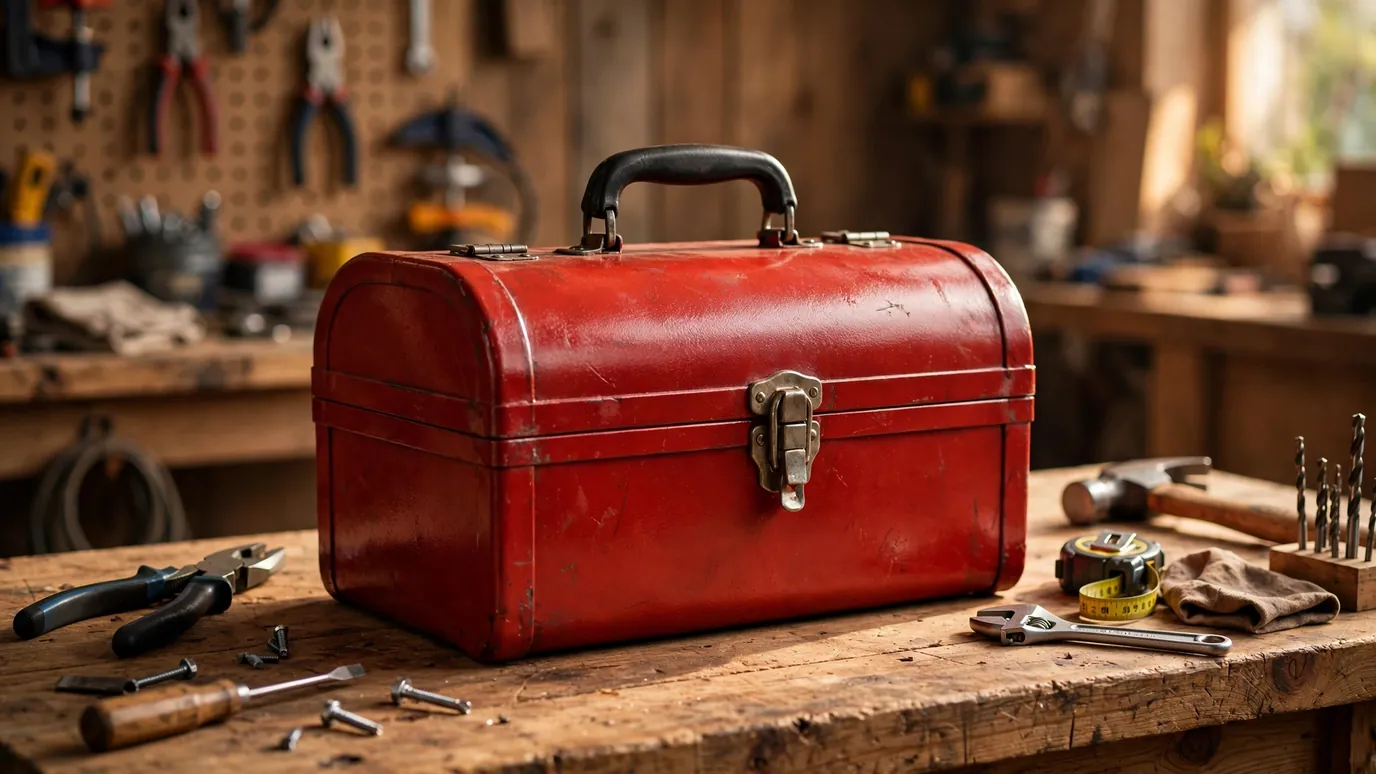
“Trunk shape” describes the profile of the box. Instead of a flat, rectangular case with a lid that sits flush, a trunk-shape toolbox has a deeper, domed or raised lid, similar in silhouette to a small travel trunk. That extra height in the lid is not just for looks. It creates usable space above the main tray area, which changes what you can store and how you can organise it.
In practical terms, that domed lid means taller items can sit inside without the lid pressing down on them. Pliers with long handles, bottles, rolls, and tools that do not lie completely flat are easier to accommodate than in a shallow box of the same footprint. It also means the box can hold a top tray or an internal arrangement that sits higher, while still closing cleanly. For someone who carries a mixed set of hand tools rather than a single uniform set, that flexibility is often the main attraction.
The shape also affects how the box feels to carry and to open. A trunk-shape lid usually opens on hinges at the back and gives a wide opening, so you can see most of the contents at a glance rather than digging through layers. On a bench, that wide opening matters. You can reach in, take what you need, and put it back without removing everything on top. Over a long project, that small saving of effort, repeated many times, is part of why people grow attached to a particular box.
There is a trade-off to be aware of. A domed lid takes up slightly more vertical space than a flat lid, both on a shelf and inside a bag or vehicle storage area. If your storage space has a low clearance, or if you plan to stack boxes tightly, measure that clearance before you buy. The trunk shape is a practical design, but it is not the right choice for every shelf, and checking the height on the seller listing is a simple step that prevents an annoying surprise.
Build and Design of Toyo Steel Toolboxes
Toyo steel toolboxes are generally known for a straightforward, durable construction: pressed steel body, a hinged lid, a carrying handle, and a latch that holds the lid shut. The steel gives the box a rigidity that plastic cases often lack. It does not flex as much under load, it resists knocks on a workshop floor, and it keeps its shape over years of use, provided it is looked after. That rigidity is also why steel boxes tend to feel heavier than plastic boxes of a similar size, which is worth remembering if you plan to carry the box over distance regularly.
The finish on a Toyo box is part of its appeal as well as its protection. Many Toyo toolboxes are finished in a painted or coated steel that gives them their distinctive colour and a smooth surface that is easy to wipe clean. The finish helps protect the steel underneath from everyday wear, but like any painted surface, it can chip if the box is dropped on a hard edge or scraped against rough metal. Those marks are usually cosmetic, but they are a reminder that a steel box benefits from reasonable care rather than being treated as indestructible.
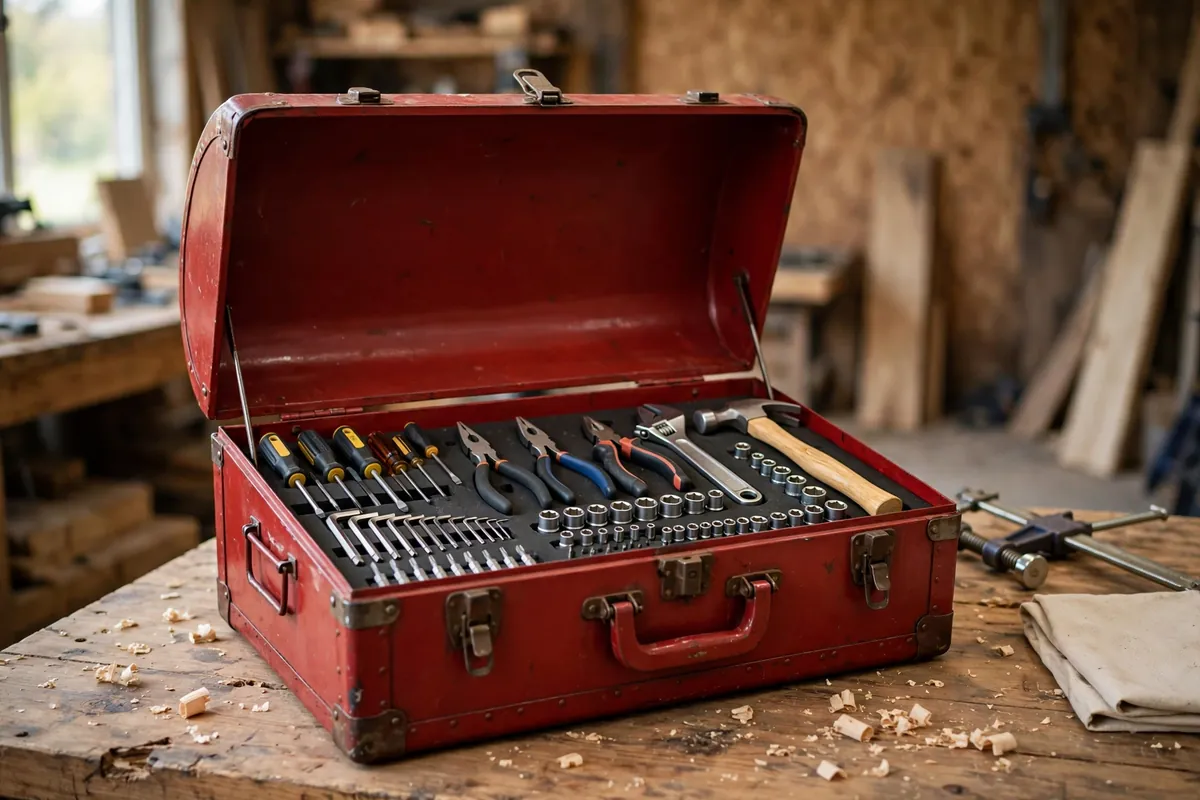
Inside, the layout is typically simple rather than heavily divided. Many trunk-shape boxes include a removable tray or an upper insert that sits near the top, with a larger open space below for bulkier items. That simplicity is deliberate. It lets the owner decide how to organise tools, rather than forcing them into moulded compartments that fit one set of tools and no other. Some owners add small containers, pouches, or dividers of their own to separate screws, bits, and small parts within the main space, which works well with this kind of open layout.
The handle and latch deserve attention because they are the parts you interact with every time you use the box. A good handle should feel secure and balanced when the box is loaded, without digging into the hand. A good latch should close firmly with a clear action, so you know the box is shut before you lift it. When you read reviews or inspect a box in person, those two details — handle comfort under load and latch confidence — tell you more about daily usability than the overall appearance does.
What the T-192 Is Used For
The T-192, as part of the trunk-shape range, is best understood as a general-purpose hand tool box. It suits someone who wants a single, portable home for the tools they reach for most often: screwdrivers, pliers, wrenches, a hammer, a tape measure, a utility knife, and the smaller items that go with them, such as bits, fasteners in small containers, and marking tools. It is the kind of box that lives on a workbench, goes out to a job, and comes back at the end of the day.
It also works well as a dedicated kit box. Some owners use a box like this for a specific purpose — for example, a bicycle maintenance kit, a small electrical kit, or a craft and model-making kit — because the single-box format keeps everything for that task together. When the task changes, the box can be repacked, which makes it more flexible than a fixed tool cabinet. That repacking is part of the appeal for hobbyists who move between projects.
For professional use, a trunk-shape box of this size is often a carry box rather than a full workshop storage system. A tradesperson might keep larger or less-used tools in a cabinet or van racking, and carry a box like the T-192 with the core set for the job in hand. That division keeps the carried weight manageable and means the most-used tools are always in the same place. If your work requires a very large set on every job, you may need a bigger system alongside it, but as a core carry box, this size range is a practical middle ground.
It is also worth noting what this kind of box is not designed for. It is not a waterproof case, it is not a substitute for a locked security container, and it is not intended as a long-term outdoor storage box exposed to rain. Used within those limits — indoors, in a vehicle, or on site with reasonable care — it performs well. Used outside those limits, any steel box will show wear faster, which is true of the category in general, not just this model.
Who It Suits — and Who Might Want Something Else
The T-192 suits buyers who value durability and simplicity over maximum compartmentalisation. If you like the idea of a sturdy steel box that you can organise your own way, and you prefer a classic workshop look to a heavily moulded plastic case, this style will feel right. It also suits buyers who want a box that will last and that looks good enough to keep on display in a home workshop, rather than being hidden away.
It suits hobbyists and home improvers particularly well. A home workshop rarely needs an industrial storage wall, but it does benefit from having core tools in one place, ready to grab. A trunk-shape box gives that readiness without taking over a room. For someone starting to build a tool collection, it also provides a natural limit: when the box is full, it is a prompt to review what you actually use, rather than accumulating tools without a home.
On the other hand, if you need many small, separate compartments for tiny parts, a box with a heavily divided organiser or a set of small parts cases may serve you better. Similarly, if weight is your main concern — for example, if you carry tools on foot over long distances every day — a lightweight plastic or fabric tool bag might be a better fit, even though it will not offer the same rigidity. And if you need to stack many boxes in a tight, low space, a flat-lid design may fit your shelving better than a domed trunk lid.
None of those alternatives makes the trunk-shape design wrong. They simply reflect different priorities. The best choice is the one that matches how you actually work: how far you carry tools, how much small-part separation you need, where the box will be stored, and whether you prefer an open layout you organise yourself or a pre-divided layout that does the organising for you.
What to Check Before Buying
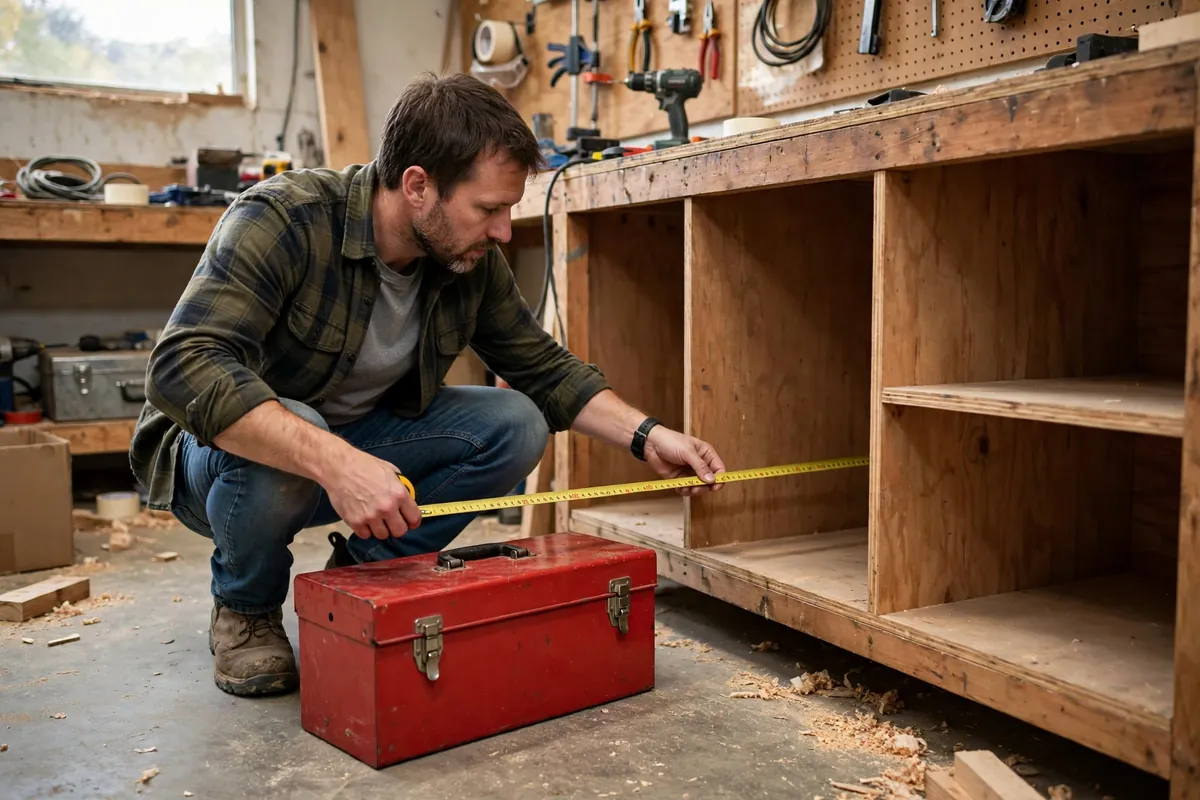
Because exact specifications can vary by seller and batch, the seller listing is your source of truth for the numbers that matter to your decision. Before ordering, check the external dimensions, especially the height including the domed lid, and compare them with the space where the box will live. Check the weight as listed, and think about it loaded, not empty, because tools add considerable weight to any steel box.
Next, look closely at the listing photos and description for the latch type, handle style, and whether a tray or insert is included. Listings sometimes show a box with accessories that are sold separately, or show a range of sizes where the photo is of a different model. Read the description for the exact model number — T-192 in this case — and confirm that the size and included parts match what you expect. If anything is unclear, ask the seller before ordering rather than assuming.
Also check the finish and colour as described, because Toyo boxes are sold in different colours and finishes across sellers, and photos can vary with lighting. If colour matters to you, confirm it in writing in the listing text, not just in a photo. The same applies to any claim about the box being part of a set or including dividers: if it is not stated in the description, do not assume it is included.
Finally, consider the seller’s return and shipping terms, especially for a steel item that can dent in transit if poorly packed. A reputable seller will pack a steel box so the lid and latch are protected, and will have a clear process if it arrives damaged. Reading a few recent reviews that mention packaging and condition on arrival is often more informative than a star rating on its own, because it tells you what to expect when the box actually reaches you.
Price deserves a similar caution. Prices for the same model can vary considerably between sellers, regions, and over time, and this guide deliberately does not state a price, because any figure given here could be out of date or wrong for your region by the time you read it. Compare current listings from sellers you trust, factor in shipping, and be wary of a price that is far below the usual range, which can indicate a different model, a used item, or an unreliable seller.
Care and Maintenance
A steel toolbox rewards simple, regular care. After use, especially on a dusty or damp site, wipe the outside with a dry or slightly damp cloth and dry it before storing. If the box has been exposed to moisture, do not close it up wet and leave it. Moisture trapped inside, combined with steel, is the fastest route to surface rust, particularly around hinges, latches, and any place where the finish has chipped.
For the inside, empty the box occasionally and remove dust, metal filings, and small debris that collect in corners and under a tray. Metal filings in particular can scratch the finish if they are left to move around with tools, and they can work their way into a hinge over time. A quick brush or wipe every few months, depending on how heavily you use the box, is usually enough to keep the interior in good condition.
If the finish does chip, touch it up promptly if you can match the colour, or at least keep that spot clean and dry. A small chip is not a failure of the box, but leaving bare steel exposed to damp air will let rust start there. Similarly, keep hinges and the latch moving freely. A tiny amount of suitable lubricant on a hinge that starts to feel stiff will keep the action smooth, but avoid over-lubricating, which attracts dust and can transfer to tools and hands.
Storage matters too. Keep the box in a dry place, out of prolonged direct damp, and avoid stacking very heavy items on top of a domed lid in a way that presses on the latch or handle. If you store the box in a vehicle, secure it so it does not slide and bang against other equipment on every journey. Those habits sound minor, but they are what separate a box that still looks and works well after years from one that looks tired after a single season.
How It Compares With Other Toolbox Styles
Compared with a flat-lid steel box of similar footprint, the trunk shape offers more height for taller items and a wider opening, at the cost of slightly more vertical space. If your tools are mostly flat — for example, a set of spanners that lie neatly in a tray — a flat box may be just as good and may stack more easily. If your set includes taller or bulkier items, the trunk shape earns its extra height.
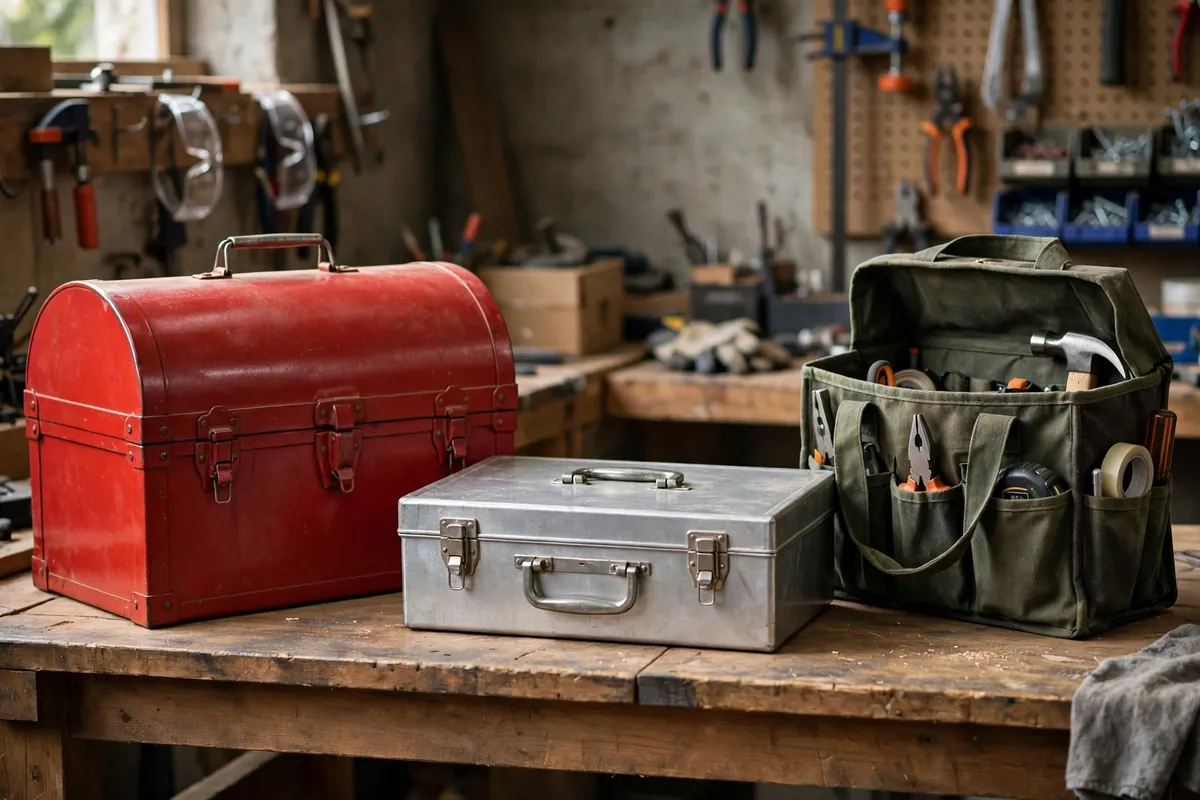
Compared with a plastic toolbox, steel offers greater rigidity and a longer-lasting hinge and latch in most cases, but it is heavier and can dent or chip where plastic might bounce back. Plastic boxes also often come with more moulded compartments and lighter carrying, which some users prefer. The choice here is often about feel and longevity versus weight and built-in organisation, rather than one material being universally better.
Compared with an open tool tote or bag, a lidded trunk box offers protection and containment. Tools do not fall out in transit, dust and rain are kept out more effectively, and the box can be stacked or stored on its side more reliably. A tote, by contrast, offers faster grab-and-go access and can be easier to carry when overloaded, because it has no lid to open. Many experienced users end up with both: a lidded box for the core set and a tote for the job in hand.
The T-192’s place in this comparison is as a middle-ground, general-purpose steel box. It is not the lightest option, not the most compartmentalised, and not the largest. Its strength is that it does the core job — holding a useful set of hand tools securely, portably, and in a box that lasts — without forcing you into a highly specialised system. For many buyers, that balance is exactly what they are looking for.
FAQ
What does trunk shape mean for a toolbox?
It means the lid is raised or domed like a small travel trunk, giving extra height inside for taller tools and a wide opening, rather than a flat lid that sits flush with the body.
Is the Toyo T-192 a good general-purpose toolbox?
As part of Toyo’s trunk-shape steel range, it is designed as a general-purpose hand tool box, suited to home workshops, hobby use, and as a core carry box for site work. Check the seller listing for the exact size to confirm it fits your tool set.
What are the exact dimensions, weight, and price of the T-192?
These vary by seller and batch, so this guide does not state them. Check the current seller listing for dimensions, weight, and price, and confirm the model number is T-192 before ordering.
How do I keep a steel toolbox from rusting?
Keep it dry, wipe it after damp or dusty use, do not store it wet, touch up finish chips promptly, and store it in a dry place. Regular emptying and cleaning of the interior also helps.
Steel or plastic toolbox — which should I choose?
Steel generally offers more rigidity and durability, while plastic is lighter and often has more moulded compartments. Choose steel if durability and a classic, long-lasting box matter most, and plastic or fabric if minimum weight is your priority.
Conclusion
The Toyo Trunk Shape Toolbox T-192 appeals for reasons that are easy to understand once you have used one: a sturdy steel body, a domed lid that actually adds usable space, a wide opening that lets you see your tools, and a simple interior you can organise your own way. It is a general-purpose box in the best sense — not specialised to one trade, but well suited to the core hand tools most people reach for again and again.
Before you buy, do the checks that matter: confirm the exact dimensions including lid height, confirm what is included, confirm the model number, and compare current prices from trusted sellers. After you buy, the care is simple — keep it dry, clean it occasionally, protect the finish, and store it sensibly. Done well, a box like this stops being a purchase and becomes part of how you work, which is the quiet test every good toolbox has to pass.
Read Also: 127.0.0.1:5000: What It Is and How to Access It (2026)

Admin
Contributor at Daily Scope 67.
Related reading

Insidenetwork.com: What Is It, What Does It Publish, and Is It Legit? (2026 Guide)
Insidenetwork.com is a content website publishing practical guides on business, marketing, technology and real estate. This guide explains what it covers, the history behind the "Inside Network" name, and whether it's legit.
Read story
Myfooddepot.com: What It Is, What It Publishes, and Is It Legit? (2026 Guide)
Myfooddepot.com is the official website of Food Depot, the employee-owned grocery chain in Georgia. Here is what it publishes, how its famous Cost Plus 10% pricing works, and whether it is legit.
Read story
ConnectionCafe.com: What It Is, What It Offers, and Is It Worth Your Time? (2026)
ConnectionCafe.com: What It Is, What It Offers, and Is It Worth Your Time? If you typed “connectioncafe.com” into Google, you probably saw a site promising tech…
Read story
1 comment