
In this article
I remember sitting in my friend’s basement back in 2015, watching him grind matches for hours on Counter Strike: Global Offensive. At that time, I thought he was just wasting time like any other gamer. Fast forward to today, and that same friend makes six figures annually working within the esports industry. What changed? The gaming industry itself transformed into a legitimate career path, and Counter Strike became one of the most lucrative professional gaming scenes globally. If you’re reading this, you might be wondering whether Counter Strike can actually become your job. The answer is yes, absolutely, but it requires understanding the landscape, your options, and what it takes to succeed.
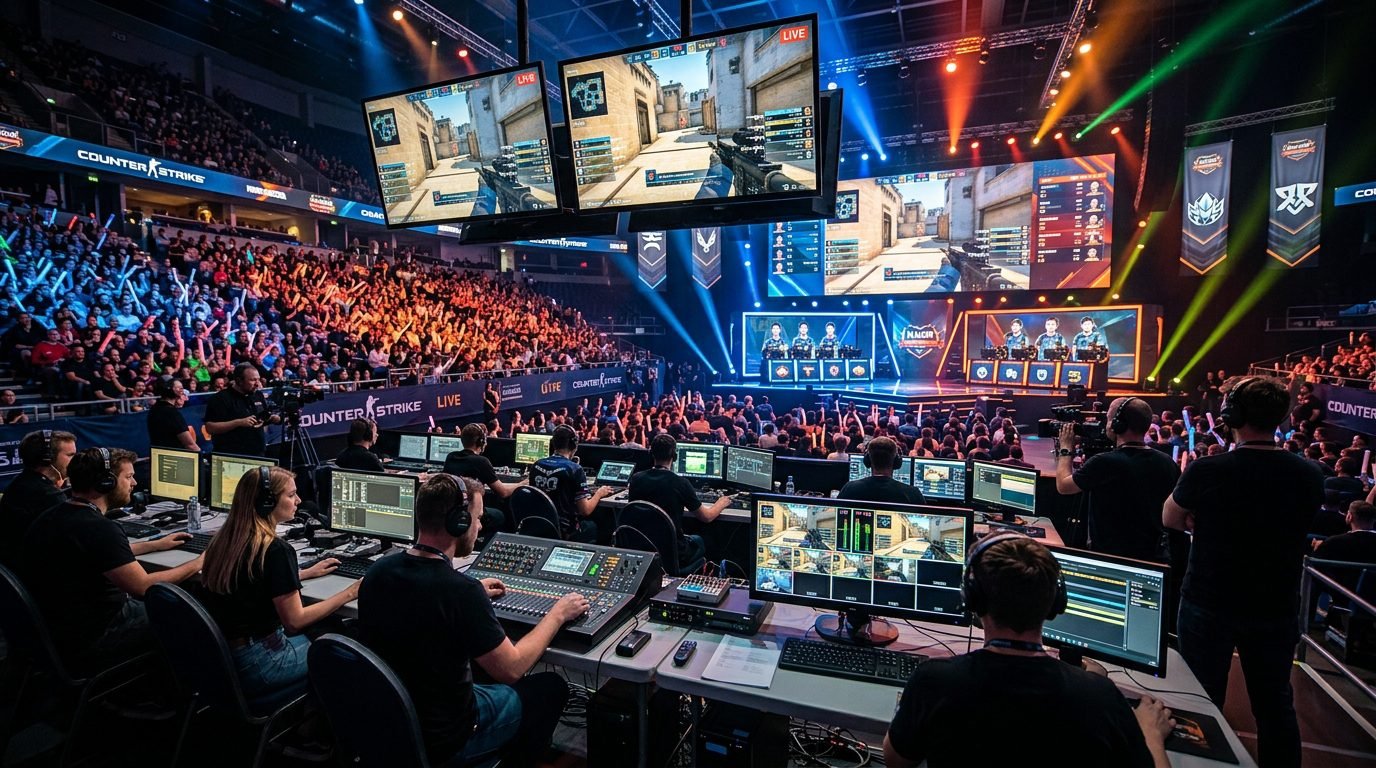
The Counter Strike franchise, particularly Counter Strike: Global Offensive (CS:GO) and its successor Counter Strike 2, has grown into a multi-billion dollar industry. What started as a mod for Half-Life has evolved into a professional esports ecosystem that rivals traditional sports in terms of viewership and prize pools. The beauty of this growth is that it created numerous career pathways beyond just playing the game competitively. Whether you’re someone with exceptional aim and game sense or a person who enjoys talking about the game, analyzing strategies, or managing teams, there’s potentially a role for you within the Counter Strike ecosystem.
Professional Playing: The Most Obvious Path
When most people think about Counter Strike jobs, they immediately imagine professional players competing on the main stage at international tournaments. This is indeed one path, and it can be incredibly lucrative. Top players on established teams earn six-figure annual salaries, sometimes reaching into the millions when you combine base salary, bonuses, and prize earnings.
However, I want to be honest with you here. Becoming a professional Counter Strike player is genuinely difficult. You’re competing against thousands of talented individuals worldwide who have dedicated years to mastering the game. I’ve watched countless streamers and semi-professional players struggle for years, only to never quite make it to the elite level. The top teams globally probably consist of no more than 300 truly professional players at any given time, and the number of tier one positions is even smaller.
That being said, there are different levels of professional play. You don’t necessarily need to play for Natus Vincere or FaZe Clan to make money playing Counter Strike. Regional pro scenes exist in nearly every country. Teams in these scenes earn sponsorships, participate in smaller tournaments with prize pools, and sometimes receive team salaries. These mid-tier players might make anywhere from $1,000 to $10,000 monthly, which in many parts of the world provides a decent living.
To pursue this path seriously, you need to start competing in online qualifiers, join amateur teams, and gradually work your way up. The journey typically involves playing in open qualifiers, moving to intermediate-level teams, and eventually attracting attention from established organizations. Throughout this process, you’ll need consistency, a willingness to practice six to eight hours daily, excellent mental fortitude, and the ability to work collaboratively with teammates. Many professional teams also require players to stream their practice sessions, which brings me to our next career path.
Streaming and Content Creation: The More Accessible Route
Here’s where things get interesting. You don’t need to be rank one globally to make substantial money from Counter Strike. Some of the highest earners in the Counter Strike space are actually streamers and content creators rather than professional players. I know several streamers who play at a competitive level but never quite reached the pro scene, yet they earn more through streaming and sponsorships than many professional players do.
Streaming Counter Strike on platforms like Twitch is a legitimate career option. Streamers earn money through multiple revenue streams: platform subscriptions, donations from viewers, sponsorships from gaming companies, and advertising revenue. The difference in earning potential is significant based on your audience size. A streamer with 500 concurrent viewers might earn $2,000 to $5,000 monthly just from subscriptions and donations, not including sponsorships. Larger streamers with 5,000 plus concurrent viewers can easily earn six figures annually.
The advantage of the streaming route is that it’s more accessible than professional play. You don’t need to be the absolute best player in the world. You need to be good enough that people want to watch you, which means solid competitive knowledge, entertaining personality, and consistency. Some successful Counter Strike streamers are former professional players, but many are also high-ranked casual players who developed engaging streaming personalities.
Building a streaming audience takes time, though. Most successful streamers spent a year or more streaming to small audiences before gaining traction. You need to stream regularly, interact with your chat, play at least at a high competitive rank, and develop a personality that viewers connect with. The streaming content creation space is becoming increasingly competitive, so you’ll need something that sets you apart. Maybe you provide exceptional game analysis, or perhaps you’re hilarious and entertaining. Whatever it is, you need a hook.
YouTube content creation is another avenue. Some creators make excellent money producing Counter Strike highlight videos, tutorials, news updates, and analysis content. The monetization here depends on watch time and viewer engagement. Established YouTube channels focusing on Counter Strike generate thousands of dollars monthly from ad revenue alone, before considering sponsorships and affiliate marketing.
Coaching and Analysis: The Strategic Route
Not everyone wants to be on camera or grind ranked matches daily. If you have deep game knowledge and enjoy teaching, coaching is an excellent career path. Counter Strike esports organizations hire coaches and assistant coaches who work with professional teams. These roles pay anywhere from $2,000 to $8,000 monthly depending on the team’s tier and location.
Coaching involves more than just playing the game well. You need to understand strategy, map control, economy systems, and player psychology. You analyze demo files, study opponent tendencies, and develop game plans. Top coaches in Counter Strike often have previous professional playing experience, but it’s not strictly necessary. Some coaches come from analyst backgrounds and develop their coaching skills through experience.
Analysts represent another specialized role. Teams hire analysts specifically to study opponents, identify weaknesses, and provide data-driven insights. This role is perfect for someone who loves the strategic side of Counter Strike but perhaps doesn’t have the reflexes or desire to compete personally. Analyst positions are growing as teams become more professional in their approach to competition.
If you’re interested in this path, start by studying the game at a deeper level. Learn about economy management, utility usage, positioning theory, and how professional teams approach different scenarios. Many aspiring coaches and analysts create content about these topics on YouTube or Twitch, which helps build their reputation and leads to job opportunities.
Casting and Commentary: For the Communicators
If you love Counter Strike but your gaming skills aren’t quite pro level, casting might be perfect for you. Esports organizations and broadcast companies hire casters and commentators to provide play-by-play and analysis during matches. This role combines entertainment with sports commentary, and the best casters are genuinely entertaining while providing accurate game knowledge.
Professional esports casters can earn substantial incomes. Major tournament casters earn appearance fees plus bonuses based on viewership. Regular casters working for organizations or streaming platforms earn monthly salaries ranging from $3,000 to $15,000 depending on experience and the organization’s size. Some of the most established Counter Strike casters have built six-figure careers.
Getting into casting requires developing a particular skill set. You need excellent verbal communication skills, deep knowledge of Counter Strike, quick thinking to provide commentary during fast-paced moments, and ideally some experience with public speaking or broadcasting. Many successful casters started by casting amateur tournaments for free or small compensation, building their portfolio and reputation over time.
The path to professional casting typically involves starting with smaller events, regional tournaments, or online matches. As you build a reputation for quality commentary and entertaining content, bigger opportunities come along. Some casters combine casting with other roles like streaming or content creation to build multiple income streams.
Team Management and Administrative Roles
Professional esports organizations need people behind the scenes. Managers coordinate team schedules, handle player contracts, manage budgets, and oversee day-to-day operations. Team owners and organization executives make significant money, though these positions require more business acumen than game knowledge.
PR specialists, social media managers, and community managers help organizations connect with fans and build brand loyalty. These positions might not seem directly related to Counter Strike, but they’re essential for the industry’s growth. Someone managing a professional Counter Strike team’s social media might earn $2,000 to $5,000 monthly, plus benefits.
Technical roles exist as well. Production coordinators, broadcast technicians, and streaming engineers keep matches running smoothly. These positions require technical skills but not necessarily deep Counter Strike knowledge, making them accessible to people from various backgrounds.
Getting Started: A Practical Roadmap
You might be wondering how to actually begin your Counter Strike career. Here’s what I’d recommend based on what I’ve observed in the industry.
First, assess your genuine interests and strengths. Are you a talented player who loves competition? Pursue the professional playing route through open qualifiers and amateur teams. Do you enjoy entertaining people and have a charismatic personality? Streaming might be your path. Are you analytical and strategic? Consider coaching or analysis positions.
Second, start where you are right now. If you’re pursuing professional play, start competing in available qualifiers and local tournaments. If streaming interests you, begin streaming your ranked matches and competitive play regularly. If coaching appeals to you, start analyzing demos and creating educational content about the game. Building a public portfolio and reputation is crucial regardless of which path you choose.
Third, network within the community. Attend esports events, join Discord communities, follow professional teams, and interact with people working in your chosen area. Many opportunities in esports come through connections and networking rather than formal job postings.
Fourth, stay consistent and patient. The people making real money in Counter Strike didn’t get there overnight. They invested months or years building skills, audience, and reputation. Some professional players practiced for five years in semi-pro teams before joining tier one organizations.
Income Potential: What You Can Realistically Earn
The income potential in Counter Strike varies dramatically based on your role and success level. Let me break down realistic numbers.
Professional players on tier one teams earn $3,000 to $15,000 monthly in salary alone, plus tournament winnings and sponsorships. Tier two and three players make $500 to $3,000 monthly. Successful streamers with decent audiences earn $3,000 to $10,000 monthly from platform revenue plus sponsorships. Established YouTube content creators make $2,000 to $8,000 monthly from ad revenue and sponsorships. Coaches at professional organizations earn $2,000 to $10,000 monthly. Casters earn $1,500 to $15,000 monthly depending on their tier and experience level.
These numbers aren’t guaranteed. They represent what some people in these roles earn, but many earn significantly less, especially when starting out. It typically takes months or years of building before reaching these income levels.
Challenges and Realistic Expectations
I want to be straight with you because I think honesty is important here. Counter Strike careers aren’t guaranteed. The industry is competitive, and many people fail to make substantial money despite genuine effort and talent. Some of the challenges you’ll face include intense competition, inconsistent income (especially starting out), burnout from grinding or streaming long hours, and the reality that not everyone will succeed at the level they initially hoped.
Additionally, the esports industry is relatively young and still evolving. Teams fold, tournament organizers cancel events, and sponsorship money fluctuates based on broader economic conditions. Job security can be uncertain, which is why many people in the industry recommend having backup skills or education.
The meta game also changes, sometimes dramatically. Patches and updates shift what’s viable in Counter Strike, and players who relied on specific strategies or weapons must adapt or fall behind. This constant evolution keeps the game interesting but adds an additional layer of challenge to maintaining a professional career.
The Future of Counter Strike Jobs
Looking forward, the Counter Strike industry seems positioned for continued growth. Counter Strike 2, released as a free-to-play successor to CS:GO, has reignited interest in the franchise. Valve’s commitment to supporting the professional scene through tournaments and organizations suggests sustained investment in competitive Counter Strike.
As the industry matures, more specialized roles will likely emerge. Data analysts, sports psychologists, physical trainers for esports athletes, and media production specialists will become increasingly valuable. The organizations that treat Counter Strike as a professional sport rather than just a game are the ones growing most rapidly.
The market is also expanding geographically. While North America and Europe have dominated professionally, regions like Asia, Eastern Europe, and Latin America are developing stronger competitive scenes. This expansion creates more opportunities across different regions with varying costs of living.
Conclusion
Counter Strike genuinely offers legitimate career opportunities. Whether through professional play, streaming, coaching, casting, or administrative roles, people are earning real money and building sustainable careers within the Counter Strike ecosystem. The question isn’t whether these jobs exist, but whether you’re willing to invest the time, effort, and sometimes years of lower income to build toward a successful position.
If you’re seriously considering a Counter Strike career, start today. Assess which path aligns with your strengths and interests, then begin building your skills and portfolio. Network with others in the community. Be consistent. Most importantly, have realistic expectations and understand that success won’t happen overnight.
The beautiful thing about the gaming industry today is that there are multiple pathways to success. You don’t need to be a pro player to make substantial money. You don’t need a traditional degree to work in esports. What you need is genuine interest, willingness to learn, consistency, and patience.
Frequently Asked Questions
Q: How much do beginner Counter Strike players make?
A: Starting players typically earn nothing initially. Most gain experience through amateur tournaments and free play. Once reaching semi-professional levels, they might earn $200 to $1,000 monthly. Full income only comes after joining established teams.
Q: Can I make money just streaming Counter Strike casually?
A: Yes, but it takes time. Casual streamers with small audiences might earn $50 to $500 monthly. Becoming profitable usually takes six months to two years of consistent streaming.
Q: What’s the minimum skill level needed for a Counter Strike esports job?
A: It depends on the role. Professional players need to be in the top 0.1% globally. Streamers need to be in the top 1 to 5%. Coaches and analysts need deep knowledge but don’t necessarily need exceptional gameplay. Casters need game knowledge and communication skills, not necessarily high ranks.
Q: Is a college degree necessary for Counter Strike careers?
A: No, most professional Counter Strike careers don’t require degrees. However, having business or communication education helps for management and administrative roles.
Q: How do I get noticed by professional organizations?
A: Perform well in open qualifiers, build a strong reputation in your region, stream consistently to build audience, or prove yourself through content creation. Organizations scout players, casters, and talent constantly.
Q: What happens when I get too old to play Counter Strike professionally?
A: Many players transition into coaching, management, or casting roles. There’s no strict age limit, but reflexes do decline. Most pros have long careers if they transition into supporting roles.
Q: Can international players join teams in other countries?
A: Yes, but it requires visa sponsorship. Most tier one organizations provide visa support for exceptional talent, but it’s still a complex process that varies by country.

Admin
Contributor at Daily Scope 67.