
In this article
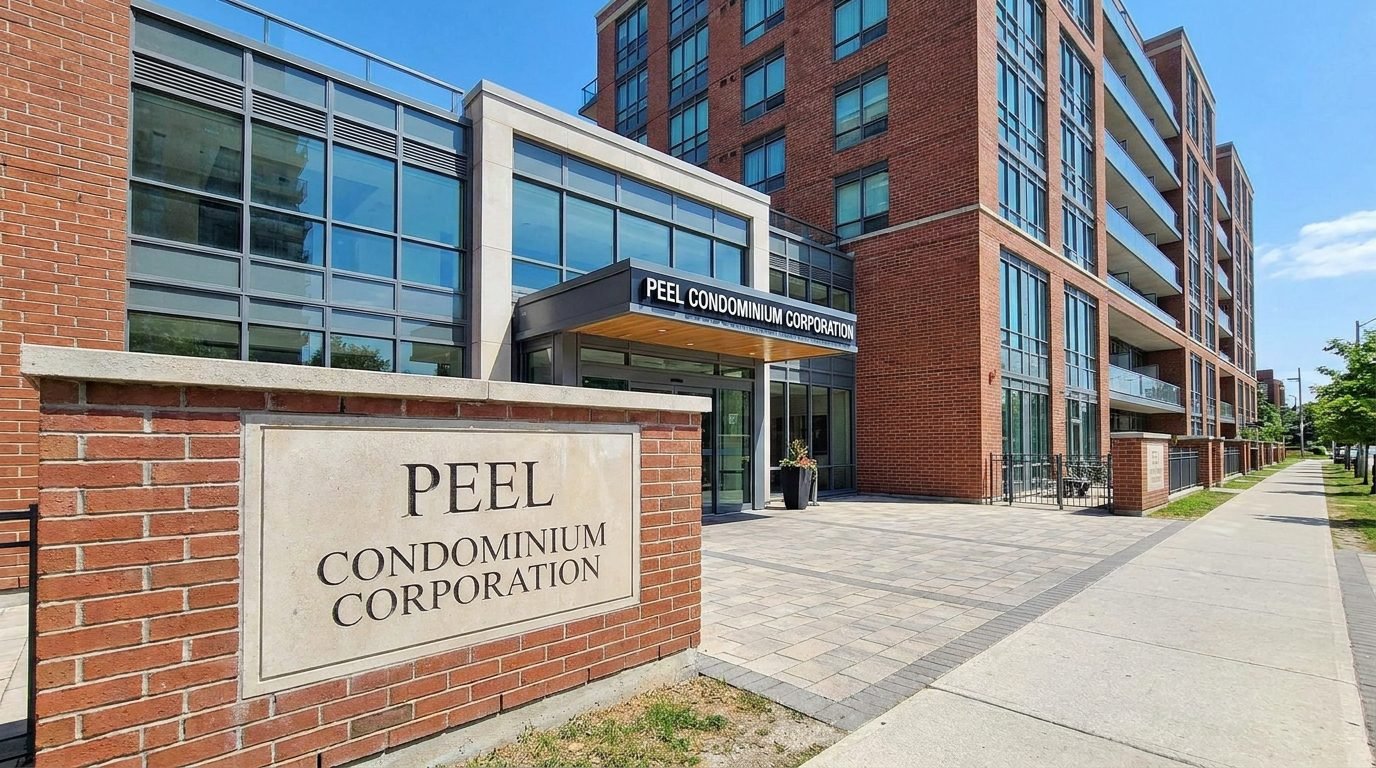
When I first moved into a condominium in the Peel region about eight years ago, I remember feeling confused about what exactly a condominium corporation was. I kept hearing terms like board of directors, condo fees, and reserve funds being thrown around at building meetings, but I didn’t really understand how they all fit together. I suspect many people feel the same way. The truth is that a condominium corporation is essentially a legal entity that manages and operates a residential building or complex on behalf of all the property owners who live there.
The Peel region, which includes cities like Mississauga, Brampton, and Caledon, has seen tremendous growth in condominium developments over the past few decades. This growth has created a complex ecosystem of condominium corporations that serve thousands of residents. Understanding how these organizations work has become increasingly important for anyone living in the Greater Toronto Area, particularly in Peel, where condominiums have become a popular housing option for young professionals, families, and retirees alike.
The purpose of this article is to help you navigate the world of Peel condominium corporations. Whether you’re a current condo resident, someone thinking about buying a unit, or perhaps someone involved in property management, you’ll find practical information here that demystifies how these organizations operate and why they matter for your living experience.
What Exactly Is a Condominium Corporation?
Let me start with the basics, because understanding the fundamental structure makes everything else fall into place. A condominium corporation is a legal entity created under Ontario law that owns and operates the common property within a condominium complex. This includes hallways, parking lots, gyms, lobbies, and roofs. While individual unit owners own their actual apartments or townhomes, they become members of the corporation and collectively own everything else.
Think of it this way: when you buy a condo unit, you’re not just buying the interior space of your apartment. You’re also becoming a shareholder in the corporation that manages all the shared spaces and building systems. This is fundamentally different from owning a single family home, where you have complete ownership and control of your property. In a condominium, you have both individual ownership of your unit and shared ownership of common property through the corporation.
The condominium corporation operates somewhat like a small government. It has a budget, collects fees from residents, maintains the property, and makes decisions that affect everyone in the building. It also has bylaws, which are rules that everyone living in the condominium must follow. These bylaws govern everything from noise levels to pet policies to parking restrictions. Breaking these rules can result in fines or even legal action by the corporation.
The Peel Region and Condominium Development
The Peel region has experienced explosive growth in condominium development, particularly over the last fifteen years. Mississauga, which is the largest city in Peel, has become known as one of Canada’s most vibrant condominium markets. I’ve watched this transformation happen personally. When I first visited Mississauga in the early 2000s, there were relatively few condominiums. Now, the skyline is filled with residential towers, and many of them are organized as condominium corporations.
This growth has been driven by several factors. First, the region’s proximity to Toronto makes it attractive for people who work in the downtown core but want more affordable housing options. Second, Peel has excellent infrastructure, including highways, transit systems, and commercial areas, which make it a desirable place to live. Third, the region has seen significant population growth, which has created demand for diverse housing types.
The specific regulations that govern condominium corporations in Peel are based on the Ontario Condominium Act, which is a provincial law. This means that regardless of which city within Peel you live in, whether it’s Mississauga, Brampton, or Caledon, the fundamental legal framework remains the same. However, individual municipalities can impose additional requirements or have specific bylaws that affect condominiums within their boundaries.
How Condominium Corporations Govern Themselves
A condominium corporation is governed by a board of directors, which is typically made up of five to seven members, though this can vary. These board members are elected by the unit owners at annual meetings and are responsible for making decisions on behalf of the corporation. Based on my experience attending numerous building meetings, I can tell you that board members are usually passionate residents who volunteer their time because they care about their building and community.
The board has significant responsibilities. They hire property managers and other service providers, create and approve the annual budget, set condo fees, maintain the building and common areas, enforce bylaws, manage reserve funds, and handle legal and insurance matters. Essentially, they make sure the building is well maintained, safe, and financially stable. They also deal with disputes between residents, which can sometimes be quite challenging.
Below the board, there’s usually a property management company that handles day-to-day operations. These companies employ superintendents and staff who ensure that maintenance work gets done, that the building is clean and secure, and that resident complaints are addressed. In larger Peel condominium complexes, the property management team can be quite substantial, with multiple departments handling different aspects of building operations.
Residents also have an important role to play. We pay our condo fees, which fund everything the corporation does. We attend annual meetings where we can vote on important matters and voice our concerns. We also follow the bylaws and treat common areas with respect. When residents don’t participate and don’t stay informed, buildings often struggle. I’ve seen this firsthand in complexes where residents are disengaged from the governance process.
Understanding Condo Fees and Finances
If there’s one topic that generates the most conversation among condo residents I know, it’s condo fees. People want to understand what they’re paying for and whether the amounts are reasonable. Condo fees typically cover the costs of maintaining common areas, property management, utilities, insurance, and ongoing repairs. In Peel, fees vary widely depending on the building’s age, amenities, and condition. A newer building with extensive amenities might charge 500 to 800 dollars per month, while an older building might charge 300 to 500 dollars.
The board creates an annual budget that details all expected expenses for the year and divides this by the number of units to determine the monthly fee. This should be done transparently, with detailed financial statements provided to residents. A well-managed corporation also maintains a reserve fund, which is money set aside for major repairs and replacements, such as roof work, parking lot resurfacing, or window replacement. Reserve funds are incredibly important because they prevent the need for special assessments, which are sudden large payments that units owners must make to cover unexpected major expenses.
In my experience living in condominiums, I’ve seen fees increase more rapidly in some buildings than others. This is sometimes due to poor financial planning, unexpected major repairs, or simply the rising costs of maintenance and services. However, some increases are unavoidable and reflect genuine inflation and the aging of building systems. The key is for the board to communicate clearly about these increases and to present detailed financial information that explains exactly where the money is going.
Legal Requirements and Compliance
Operating a condominium corporation in Peel means complying with numerous legal requirements set out in the Ontario Condominium Act and various municipal regulations. The corporation must maintain detailed financial records, conduct regular reserve fund studies to determine how much money should be set aside for future major repairs, and hold annual general meetings where residents can vote on important matters.
The condominium corporation also needs appropriate insurance coverage. This includes property insurance for the building itself, liability insurance to protect against claims if someone is injured in common areas, and directors and officers insurance to protect board members. These insurance costs have increased noticeably over the years, which is one reason that condo fees tend to rise.
One aspect of compliance that sometimes surprises new condo owners is the requirement to register certain documents with the municipality and to maintain specific records. The corporation must keep copies of the declaration, bylaws, rules, financial statements, meeting minutes, and various other documents. Residents have a right to access these documents, and a well-run corporation makes this process straightforward.
Common Challenges in Peel Condominium Corporations
From my conversations with residents and property managers across Peel, certain challenges come up repeatedly. One of the most persistent is communication. In a building with hundreds of units, it can be difficult to keep everyone informed about what the board is doing and why. This can lead to misunderstandings and frustration among residents who feel out of the loop.
Another common challenge is deferred maintenance. When a corporation doesn’t budget properly for reserve funds or when a board is reluctant to tackle major repair projects, problems can snowball. A roof that’s not replaced when it should be can lead to water damage and mold, which becomes exponentially more expensive to fix. I’ve seen this happen in several buildings in the Peel region, and it always causes tremendous stress and conflict among residents.
Enforcement of bylaws can also be contentious. Some residents object to rules they think are too strict, while others feel that rules aren’t being enforced consistently. The board needs to strike a balance between maintaining order and respecting residents’ rights. This requires careful judgment and sometimes legal advice.
Finally, many Peel condominium corporations struggle with finding engaged board members who are willing to volunteer. Board service requires time, energy, and sometimes dealing with difficult situations. When boards are understaffed or filled with people who don’t have the necessary skills, the corporation suffers.
Best Practices for Effective Condominium Management
Based on what I’ve observed in well-run buildings, there are several best practices that make a real difference. First, transparency is absolutely critical. A board that shares detailed financial information, explains its decisions, and communicates regularly with residents builds trust. Regular newsletters, community meetings, and accessible online portals where residents can view documents all contribute to better governance.
Second, proactive maintenance and reserve planning are essential. A corporation that regularly inspects building systems, addresses problems quickly, and properly funds reserves prevents the crisis management approach that some struggling buildings seem to follow. I’ve noticed that buildings that invest in preventative maintenance actually save money in the long run.
Third, investing in technology can make a big difference. Many modern Peel condominium corporations now use software systems that allow residents to pay fees online, access documents digitally, and communicate with management. This improves efficiency and makes the entire process smoother for everyone involved.
Fourth, selecting the right property management company matters tremendously. Some corporations manage themselves, but most hire professional property managers. The best managers are responsive, knowledgeable about condo law, and genuinely committed to serving the residents and the corporation.
Finally, fostering community engagement helps. Buildings where residents feel connected to their neighbors and involved in building decisions tend to have higher satisfaction rates and fewer conflicts. This might involve social events, community committees, or simply creating spaces where neighbors can interact.
Conclusion
Living in a Peel condominium corporation means being part of a complex system that requires cooperation, clear communication, and effective governance. While the structure might seem confusing at first, understanding how it works helps you navigate your responsibilities as a unit owner and allows you to participate more effectively in building decisions. Whether you’re a longtime resident or new to condominium living, staying informed about your corporation’s finances, bylaws, and governance processes makes a real difference in your living experience. The best condominiums in Peel are those where residents and boards work together to maintain safe, well-managed, and vibrant communities.
Frequently Asked Questions
What is the difference between a condo fee and a special assessment?
Condo fees are regular monthly payments that cover ongoing operating costs. Special assessments are additional one-time charges that residents must pay to cover unexpected major expenses that weren’t budgeted for. A well-maintained reserve fund helps minimize special assessments.
Can a condominium corporation change the bylaws?
Yes, a condominium corporation can change its bylaws, but the process requires a vote by unit owners. The specific voting threshold depends on the changes being made. Major changes typically require approval from a higher percentage of owners.
What happens if I don’t pay my condo fees?
If you don’t pay your condo fees, the corporation can place a lien on your unit, charge interest and penalties, and eventually pursue legal action to recover the debt. Unpaid fees can also affect your ability to sell your unit.
How often should a reserve fund study be conducted?
Ontario law requires that reserve fund studies be conducted at least every three years. Some corporations do them more frequently to stay updated on building conditions and projected costs.
Can residents attend board meetings?
Most condominium corporations have open board meetings that residents can attend, though the corporation can hold closed sessions to discuss certain matters like personnel issues or legal disputes. Check your corporation’s bylaws for specific policies.
What rights do residents have regarding building documents?
Residents have the right to access the declaration, bylaws, rules, financial statements, and meeting minutes. The corporation must provide these documents upon request, usually within a reasonable timeframe.

Admin
Contributor at Daily Scope 67.
1 comment