

In this article
I remember sitting in my office about five years ago, completely overwhelmed by the amount of administrative work piling up on my desk. My small team was drowning in repetitive tasks, and I knew something had to change. That’s when I first heard about SBPO consulting, and honestly, it was a game changer for our entire operation. Now I want to share everything I’ve learned about this incredible service with you.
What Exactly Is SBPO Consulting?
SBPO stands for Small Business Process Outsourcing, and it’s basically the practice of hiring external consultants to help your small business streamline and improve how you handle your daily operations. Think about all those tasks that take up your time but aren’t really what your business does best. That’s where SBPO consulting comes in.
When I first encountered SBPO consulting, I realized it’s not just about cutting costs, though that’s definitely a benefit. It’s more about bringing in experts who understand how businesses like yours work and helping you figure out where you’re wasting time and money. These consultants come in, look at your processes, and basically say, “Hey, here’s how we can make things better.”
The beauty of SBPO consulting is that it’s scalable and flexible. Whether you’re running a twelve-person company or a hundred-person company, SBPO consultants can tailor their services to fit your specific needs. They don’t come in with a one-size-fits-all approach. Instead, they take time to understand your industry, your challenges, and your goals.
Understanding the Difference Between SBPO Consulting and Other Outsourcing Models
Here’s something that confused me at first: what’s the actual difference between SBPO consulting and other types of business outsourcing? I wanted to understand this clearly before deciding if it was right for my business.
Traditional outsourcing usually means you’re handing over entire functions to an external provider. You might outsource your entire accounting department to a firm in another country, for example. They do the work, you pay them, and you hope everything goes smoothly. But SBPO consulting is different because it’s consultative. These professionals work with you to improve your existing processes.
SBPO consultants act more like advisors and guides. They come into your organization, spend time understanding how you currently operate, identify inefficiencies and bottlenecks, and then recommend solutions. Sometimes those solutions involve outsourcing certain tasks, and sometimes they involve bringing processes in-house but doing them differently. The key is that you’re getting expert guidance tailored to your specific situation.
I found this approach much more appealing than traditional outsourcing because I retained control over my business. The consultants weren’t just taking over functions. They were teaching my team better ways to work and helping us implement systems that would benefit us long-term.
The Main Services You Get With SBPO Consulting
When you engage with an SBPO consulting firm, you’re getting access to a range of services designed to improve your business operations. Let me break down what these typically include, based on my own experience and research.
First, there’s process mapping and analysis. This is where the consultant literally maps out all your current processes. They observe how work flows through your organization, where bottlenecks happen, and where you’re losing time or money. I remember when our consultant did this for our company, it was eye-opening. We discovered that we were doing the same data entry three different times because our departments weren’t communicating effectively. Nobody had sat down to look at the big picture before.
Second, you get recommendations for process optimization. Once they understand your operations, consultants provide specific recommendations for improvement. These might include using different tools, reorganizing workflows, automating certain tasks, or outsourcing specific functions to specialists. The recommendations are based on industry best practices and what’s worked for similar businesses.
Third, many SBPO consulting firms help with technology implementation. If your processes could be improved with the right software or tools, they help you select, implement, and train your team on new systems. This is huge because having great processes but using outdated tools doesn’t really help anyone.
Fourth, there’s training and change management. Implementing new processes means your team needs to learn new ways of working. SBPO consultants help with this transition, training your staff and managing the change in a way that minimizes disruption to your business.
Finally, you often get ongoing support and optimization. The consultant doesn’t just hand over a report and disappear. They stick around to make sure the changes are actually working and make adjustments as needed.
Why SBPO Consulting Actually Makes a Difference
I want to get honest about something. When I first looked into SBPO consulting, I was skeptical about whether it would actually deliver results. There are so many consulting services out there that overpromise and underdeliver. But when done right, SBPO consulting delivers real, measurable benefits.
The most obvious benefit is cost reduction. By eliminating inefficiencies and unnecessary steps, you’re cutting out wasted spending. Maybe you’re paying for software nobody uses, or maybe you have people doing work that could be automated. A good SBPO consultant finds these inefficiencies and helps you eliminate them. For my business, we ended up saving about thirty percent on operational costs in the first year.
Beyond cost savings, there’s the efficiency factor. Your team can accomplish more in less time. That means they’re not stressed out trying to keep up with impossible workloads, and you get better quality work. When my team wasn’t bogged down in redundant data entry, suddenly the quality of our customer service improved dramatically.
There’s also the scalability benefit. Once you’ve optimized your processes with the help of a consultant, you’ve built systems that can grow with your business. If you want to add new customers or expand your services, you can do that without everything falling apart.
Another benefit that’s less obvious but really important is risk reduction. When you have clear, documented processes, you reduce the chance of mistakes or compliance issues. You also have continuity, which means if someone leaves your company, their knowledge isn’t just gone.
Finally, there’s the competitive advantage. Your business becomes more efficient and responsive than competitors who haven’t optimized their operations. You can offer better pricing, faster service, or higher quality, depending on your industry.
How to Actually Choose an SBPO Consulting Firm
Selecting the right SBPO consultant is critical. A bad consultant can waste your time and money. A good one can transform your business. Here’s how I approach this decision, and what I recommend based on my experience.
First, look for consultants with industry experience. A consultant who understands your specific industry knows the challenges you face. They’re not trying to figure out how your business works from scratch. I made the mistake early on of accepting help from someone who “consulted for all types of businesses.” It didn’t go well because they didn’t understand the specific challenges in our industry.
Second, check their credentials and track record. Have they actually helped other businesses similar to yours? Ask for case studies or references. A legitimate SBPO consulting firm will happily provide examples of successful implementations. Don’t be shy about asking detailed questions.
Third, look at their methodology. Good consultants don’t just throw solutions at you. They have a structured approach to understanding your business, identifying problems, and implementing solutions. Ask them to explain their process in detail.
Fourth, consider the cost structure. Some consultants charge hourly rates, others work on fixed project fees, and some tie their fees to the savings they deliver. Each model has advantages and disadvantages. I prefer working with consultants who are willing to tie at least part of their fee to results because it means they’re genuinely invested in delivering value.
Fifth, evaluate communication and fit. You’ll be working closely with this consultant, so chemistry matters. During initial conversations, do they listen more than they talk? Do they ask good questions about your specific situation? Or do they immediately start pushing generic solutions? Good SBPO consultants spend time understanding your business before recommending anything.
The Implementation Process: What to Expect
Once you’ve chosen your consultant, what actually happens? I want to walk you through the typical implementation process so you know what to expect and how to prepare.
The first phase is assessment and discovery. This typically lasts two to four weeks. The consultant meets with your team, observes your processes, reviews documentation, and really digs into understanding how you operate. During this phase, everyone on your team will be involved to some degree. They might feel like the consultant is asking a lot of questions, but this is necessary.
The second phase is analysis and recommendations. Your consultant takes all the information they’ve gathered and analyzes it. They identify inefficiencies, benchmark against industry standards, and develop recommendations. This usually results in a comprehensive report that outlines problems, solutions, and expected benefits.
The third phase is planning and design. This is where you and the consultant work together to decide which recommendations to implement and in what order. You create detailed implementation plans with timelines, resource requirements, and success metrics.
The fourth phase is implementation. This is where recommendations actually become reality. Maybe you’re adopting new software, reorganizing teams, or changing workflows. During this phase, there’s typically training for your staff and careful monitoring to make sure everything is working as expected.
The fifth phase is optimization and handoff. Once everything is running, the consultant helps you fine-tune the processes based on real-world results. They train your internal team to manage the new processes independently and gradually reduce their involvement.
Addressing the Challenges That Come Up
I’d be lying if I said implementing SBPO consulting recommendations is always smooth sailing. There are challenges, and I want to be honest about them because being prepared makes a huge difference.
The first challenge is resistance to change. Your team has been doing things a certain way, and suddenly you’re asking them to do things differently. This creates anxiety and resistance. Some people worry about job security if processes are being automated. The best way to handle this is transparency. Explain to your team why changes are happening and how it will benefit them. Usually, people get on board when they understand that changes will make their jobs less stressful, not eliminate their jobs.
The second challenge is implementation timeline issues. Sometimes it takes longer to implement changes than anticipated. Maybe the new software has a steeper learning curve than expected. Or maybe some people just work slower during the transition. It’s important to build in buffer time and have patience.
The third challenge is incomplete data or documentation. Many small businesses don’t have great documentation of their processes. Your consultant might discover that processes aren’t actually documented anywhere, which makes change more difficult. But this is also an opportunity to create that documentation.
The fourth challenge is technology limitations. Sometimes the tools you need to implement the recommendations are expensive or complicated. Working with your consultant to find cost-effective alternatives is important.
Understanding the Real Costs and Return on Investment
Let me talk about money because that’s what ultimately matters to most small business owners. SBPO consulting isn’t free, and you need to understand whether the investment will pay off.
The cost of SBPO consulting varies significantly depending on the scope of work, the consulting firm, and your location. A small project might cost five to fifteen thousand dollars. A larger, more comprehensive engagement could run fifty thousand to over a hundred thousand dollars. Some consultants charge hourly rates ranging from one hundred to three hundred dollars per hour.
Now, here’s the thing about ROI. Most businesses see positive returns within six to twelve months. The savings come from eliminated inefficiencies, automation of repetitive work, and better use of your team’s time. Additionally, improved processes often lead to better customer satisfaction, which increases repeat business and referrals.
When I calculated the ROI for our SBPO consulting engagement, I looked at three things. First, direct cost savings from eliminated inefficiencies. Second, revenue improvements from better customer service and faster delivery. Third, the reduced cost of managing operations as we implemented better systems.
Our total savings in year one came to about sixty thousand dollars, while our consulting investment was twenty-five thousand. That’s a one hundred and forty percent ROI in the first year alone. But more importantly, the improved processes continued delivering benefits in subsequent years.
Where SBPO Consulting Is Heading
The SBPO consulting industry is evolving, and I think it’s worth understanding where things are going. This helps you make better decisions about whether to engage consultants now or wait for new capabilities to emerge.
One major trend is the integration of artificial intelligence and automation. Consultants now routinely recommend AI tools that can handle routine tasks, freeing up your team for more strategic work. I’m seeing this across different industries.
Another trend is increased focus on remote and hybrid work optimization. Since COVID, how work gets done has changed fundamentally. SBPO consultants are helping businesses optimize processes for remote teams, which requires different approaches than in-person work.
There’s also growing emphasis on sustainability and ethical practices. Businesses are looking at not just efficiency but also impact. Some SBPO consultants now help clients optimize operations while also reducing environmental impact or ensuring ethical practices.
Finally, there’s increased democratization of SBPO consulting services. Smaller consulting firms and freelance consultants are offering SBPO services, making them more accessible to truly small businesses that couldn’t previously afford consulting.
Making the Decision About SBPO Consulting for Your Business
After all of this, you might be wondering whether SBPO consulting is right for your business. Here’s how I think about it.
SBPO consulting makes sense if you’re experiencing significant operational challenges, if you have limited resources to fix these challenges yourself, if you’re planning to scale your business, or if you’ve never had an outside perspective on your operations. If any of these apply to you, consulting could deliver real value.
On the other hand, if your operations are already highly efficient, if you have significant in-house expertise, or if you simply can’t afford the investment right now, you might want to wait or look for more affordable options like workshops or business coaching.
The bottom line is that SBPO consulting is an investment in your business’s future. It’s not about cutting corners or doing less. It’s about working smarter, not just harder.
Conclusion
Looking back at where my business was five years ago and where it is now, I can genuinely say that SBPO consulting played a significant role in our transformation. We didn’t just cut costs, though that happened. We fundamentally changed how we work, and we built systems that have allowed us to grow without chaos.
If you’re a small business owner feeling overwhelmed by operations, inefficient processes, or just wondering if there’s a better way to do things, SBPO consulting is worth serious consideration. The key is choosing the right consultant, being clear about your goals, and being patient with implementation.
My advice is to start by getting an assessment from a qualified SBPO consultant. Many offer free or low-cost initial consultations. Listen to what they have to say about your operations. You might be surprised by what they uncover, and you might find that the investment is well worth it.
FAQ
Q: How long does an SBPO consulting engagement typically last?
A: Most engagements last between three and six months, though some might be shorter or longer depending on the scope of work. The assessment phase might take four to six weeks, implementation takes several months, and then there’s usually a period of optimization and support.
Q: Can small businesses really afford SBPO consulting?
A: Yes, though it requires careful budgeting. Many consultants offer tiered services at different price points. You might start with a limited assessment or focus on one area of your business. The key is that the benefits usually exceed the costs within the first year.
Q: What’s the difference between SBPO consulting and business coaching?
A: Business coaching is usually more general and focused on your personal development as an owner. SBPO consulting is specifically focused on optimizing your business operations and processes. They’re complementary but different.
Q: Do I need to implement all recommendations from an SBPO consultant?
A: No. After the consultant provides recommendations, you decide which ones make sense for your business. Some might be too costly, others might not fit your culture or goals. It’s your business, and you have the final say.
Q: How do I know if SBPO consulting is actually working?
A: A good consultant establishes clear metrics and success measures at the beginning of the engagement. You should be tracking things like cost reductions, time savings, quality improvements, and customer satisfaction. If you’re not seeing measurable improvements after several months, that’s worth discussing.
Q: Can SBPO consulting help with remote team management?
A: Absolutely. In fact, this is becoming increasingly common. SBPO consultants help optimize processes for remote and hybrid work, improve communication, and build systems that work regardless of where people are physically located.
Q: What industries benefit most from SBPO consulting?
A: Any industry can benefit, but service-based businesses, e-commerce, professional services, and financial services often see particularly strong results because they have many process-oriented operations.
Click Here: For More Info

Admin
Contributor at Daily Scope 67.
Related reading

ConnectionCafe.com: What It Is, What It Offers, and Is It Worth Your Time? (2026)
ConnectionCafe.com: What It Is, What It Offers, and Is It Worth Your Time? If you typed “connectioncafe.com” into Google, you probably saw a site promising tech…
Read story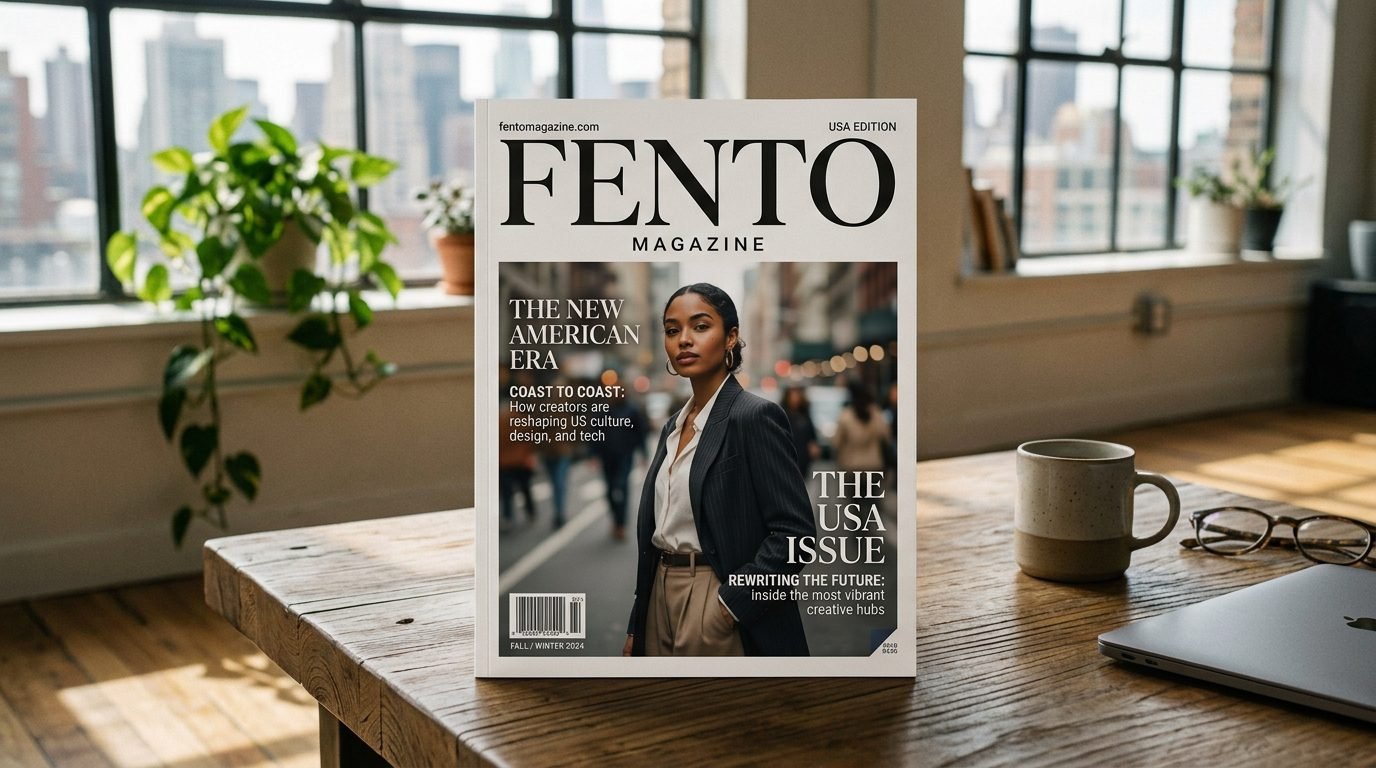
Fentomagazine.com USA: What It Is, What It Offers & How to Use It (2026 Guide)
Fentomagazine.com USA: What It Is, What It Offers, and How to Use It If you typed “fentomagazine.com usa” into Google, you were probably looking for a…
Read story
Pete Musser: The Visionary Entrepreneur Who Transformed Cable Television and Built a Business Empire
Pete Musser: The Visionary Entrepreneur Who Transformed Cable Television When you think about the cable television industry, most people probably don’t immediately picture Pete Musser as…
Read story
1 comment